by
by 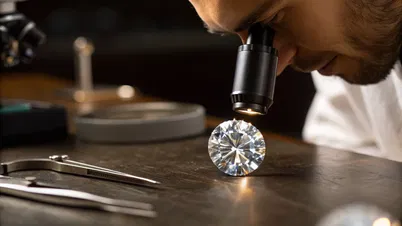
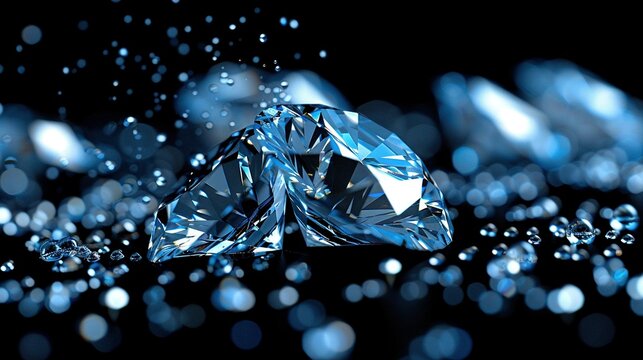
Diamonds have always carried powerful symbolism—love, commitment, and status wrapped into a single sparkling stone. But today’s buyers are more informed and curious than ever, asking deeper questions about origin, ethics, and value. This curiosity has fueled ongoing discussions around lab-grown diamonds vs real, changing how people think about luxury and tradition. At the same time, growing awareness of sustainability has brought man made diamonds into the spotlight as a serious alternative rather than a niche option.
This article explores the differences, similarities, and shifting perceptions surrounding modern diamonds, helping you understand why the industry is evolving and how consumers are adapting their preferences.
Understanding How Diamonds Are Formed
To fully appreciate modern choices, it helps to know how diamonds come into existence. Natural diamonds are formed deep within the Earth over billions of years under intense heat and pressure. They are brought closer to the surface through volcanic activity and later mined.
In discussions about lab-grown diamonds vs real, the key distinction is origin, not composition. Lab-grown stones are created in controlled environments that replicate natural conditions. The result is a diamond that is chemically, physically, and optically identical to one formed underground—just produced in weeks instead of eons.
The Rise of Modern Diamond Technology
Technological advancement has dramatically changed the jewelry landscape. What once sounded futuristic is now mainstream, and man made diamonds are increasingly common in engagement rings, fine jewelry, and even luxury collections.
These diamonds are grown using advanced methods that allow precise control over quality, size, and clarity. Because the process is monitored from start to finish, many stones exhibit exceptional consistency. This reliability has encouraged designers and consumers alike to reconsider long-held assumptions about rarity and value.
Visual Quality and Everyday Wear
One of the most common questions people ask is whether they can tell the difference. In most real-world scenarios, the answer is no. Even professional gemologists need specialized equipment to distinguish between stones when comparing lab-grown diamonds vs real.
From brilliance to hardness, both options perform the same in daily wear. They resist scratching, maintain their sparkle, and can be cut into identical shapes. For many buyers, visual beauty and durability matter far more than geological origin, which has helped normalize alternatives in the mainstream market.
Ethics, Sustainability, and Changing Values
Ethical sourcing has become a major consideration for modern consumers. Traditional mining can involve environmental disruption and complex labor concerns. This reality has led many buyers to explore man made diamonds as a way to align their purchases with personal values.
Because they are created in controlled facilities, these diamonds typically have a smaller environmental footprint and offer greater transparency. This sense of responsibility resonates strongly with younger generations who prioritize sustainability without wanting to sacrifice luxury or aesthetics.
Pricing, Accessibility, and Market Shifts
Cost is another important factor driving change. When comparing lab-grown diamonds vs real, lab-grown options are often more affordable, allowing buyers to choose larger or higher-quality stones within the same budget.
This pricing difference has made diamond jewelry more accessible to a wider audience. Engagement rings that once required major compromises can now balance size, clarity, and design. As a result, the market has expanded rather than simply shifted, welcoming new consumers into the diamond-buying experience.
Emotional Value and Personal Meaning
Despite technological and ethical advantages, emotional attachment still plays a role. Some people cherish the idea of a gem formed naturally over billions of years, while others feel empowered by innovation and conscious choices. For supporters of man made diamonds, the meaning lies in intentionality—choosing a stone that reflects modern love, transparency, and progress.
Neither perspective is wrong. Jewelry has always been about storytelling, and today there are simply more narratives to choose from than ever before.
Looking Ahead at the Future of Diamonds
As the industry evolves, it’s clear that conversations around lab-grown diamonds vs real are not about replacing tradition but expanding options. Both types coexist, serving different preferences, budgets, and values.
Similarly, man made diamonds are no longer viewed as inferior substitutes. They represent innovation, accessibility, and a shift toward mindful consumption. As education improves and stigma fades, the diamond market continues to adapt, offering consumers the freedom to choose stones that truly reflect who they are and what they value.
In the end, the brilliance of a diamond is not just in how it sparkles, but in the meaning it holds for the person wearing it.