by
by 
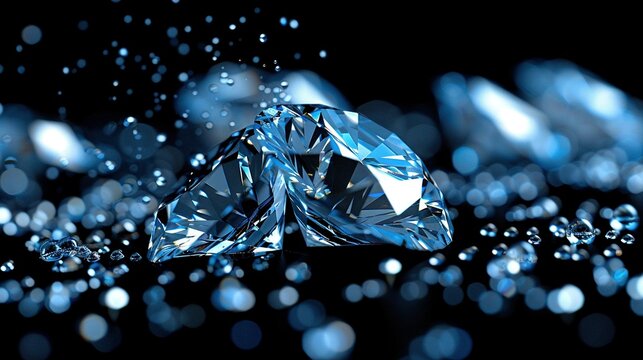
Lab diamonds are diamonds created in controlled facilities rather than mined from the earth. They are grown using heat and pressure or chemical vapor processes that mirror natural conditions. The result is a diamond with the same crystal structure as a mined diamond.
This matters because a diamond is defined by its structure, not its origin. If the carbon atoms are arranged the same way, the material behaves the same way. That includes hardness, light performance, and durability.
You are not buying an imitation. You are buying a diamond that took weeks to form instead of millions of years.
How they compare to mined diamonds
On a physical level, there is no visible difference. Even trained jewelers need specialized equipment to identify origin.
Both types share these traits:
- Same hardness rating
- Same refractive index
- Same grading standards
A one carat lab diamond and a one carat mined diamond sparkle the same. They scratch the same. They last the same.
The difference shows up in price, sourcing, and long term market behavior.
Cost and what you are really paying for
Price is often the first reason people look at lab diamonds. On average, they cost significantly less than mined stones of the same grade.
You are paying less because production is predictable. There is no excavation risk. There is no land ownership premium. There is no supply bottleneck.
This means your budget can stretch further.
Example
You can choose a higher clarity grade. Or you can choose a larger stone without sacrificing cut quality.
If you care about visual impact rather than origin, this price difference matters.
Quality control and consistency
Lab production allows tighter control over growth conditions. This leads to more consistent outcomes.
That consistency shows up in:
- Fewer internal inclusions
- More uniform color
- Predictable cut performance
This does not mean mined diamonds are inferior. It means they are less predictable. Nature does not optimize for symmetry.
If you want fewer surprises, controlled growth has an advantage.
Ethics and sourcing considerations
Many buyers want to avoid environmental harm or labor concerns. Lab diamonds remove most mining related issues.
There is no large scale excavation. There is no displacement of land. There is no reliance on mining labor.
However, energy use still matters. Facilities run on electricity. Some producers use renewable sources. Others do not.
If ethics matter to you, ask about energy sourcing rather than assuming all lab diamonds are equal.
Resale value and long term expectations
This is where expectations need to be clear.
Mined diamonds have a resale market that is slow but established. Prices fluctuate but scarcity supports value.
Lab diamonds are newer. Production can scale. Prices have already trended downward.
If you plan to resell, do not assume you will recover most of your purchase price. This applies more strongly to lab diamonds.
If resale is not a priority, this concern may not matter to you.
Social perception and personal meaning
Some people care deeply about natural origin. Others do not.
You may encounter questions. You may not. Social perception varies by circle.
What matters is how you feel about the stone. If meaning comes from symbolism rather than geology, origin may feel irrelevant.
If tradition matters to you, a mined diamond may carry emotional weight.
Neither response is wrong. It depends on your values.
Certification and transparency
Both lab and mined diamonds should come with grading reports from recognized labs.
Look for clear disclosure of origin. Look for full grading details.
A proper report should include cut, color, clarity, and carat weight.
Transparency protects you regardless of choice.
How to decide what fits you
Ask yourself direct questions.
- Is budget flexibility important to me
- Do I care about resale value
- Does origin affect how I feel wearing it
- Do I want maximum size or maximum rarity
Your answers point to the right choice.
The debate around lab made diamonds vs real often misses this step. The decision is personal, not technical.
Where lab diamonds make the most sense
They work well when you want size, clarity, and value without paying for scarcity.
They work well for everyday wear. They work well for modern buyers who prioritize function over tradition.
This does not make them better. It makes them suitable for specific needs.
What matters more than origin
Cut quality affects appearance more than anything else. A well cut diamond will outperform a poorly cut one every time.
Focus on proportions. Focus on light return.
Whether you choose lab diamonds or mined stones, this rule holds.
FAQ
Are lab diamonds considered real diamonds
Yes. They share the same chemical and physical structure as mined diamonds.
Do lab diamonds last as long
Yes. They have the same hardness and durability.
Why is there a price gap
Because lab production avoids mining costs and supply constraints.