by
A diamond’s shape can change the entire personality of an engagement ring. Some cuts feel sharp and architectural, while others have a softer, more romantic character. Cushion engagement rings fall into the second category, combining rounded corners with a distinctive sparkle that suits both vintage-inspired and contemporary designs.
Their appeal goes beyond appearance. The cushion cut offers several proportions, facet patterns, and setting possibilities, giving buyers room to choose a diamond that feels personal.
The Shape Behind the Appeal
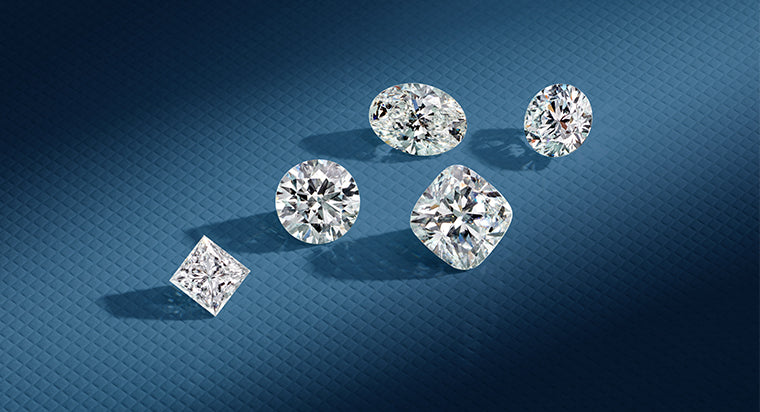
A cushion-cut diamond typically has a square or rectangular outline with gently rounded corners. Its silhouette resembles a pillow, which explains the name.
The shape has roots in older diamond-cutting traditions, particularly the old mine cut. Modern versions use different facet arrangements to improve light performance and create distinct visual effects.
Unlike round brilliant diamonds, cushion cuts don’t follow one standardized facet pattern. Two stones with similar dimensions can look noticeably different because of their proportions and internal faceting.
Brilliant vs. Crushed-Ice Sparkle
Some cushion diamonds display broad, clearly defined flashes of light. Others produce numerous smaller reflections, commonly described as a crushed-ice appearance.
Neither style is automatically superior. Buyers who prefer bold, recognizable flashes may favor a cushion brilliant, while those who enjoy a shimmering texture might prefer modified brilliant faceting.
Compare diamonds under daylight, diffused indoor lighting, and directional spotlights. Jewelry-store lighting alone can make differences harder to judge.
Choosing Proportions That Look Balanced
Cushion diamonds come in square and elongated variations. A length-to-width ratio near 1.00 creates a square appearance, while ratios around 1.15 to 1.30 produce a more rectangular outline.
These figures describe appearance rather than quality. An elongated cushion can make a finger appear visually longer, while a square stone offers a more symmetrical look.
Pay attention to face-up measurements, not just carat weight. Two diamonds weighing 1.50 carats may have different visible dimensions because their depth and proportions differ.
Also inspect the corners. They should look balanced rather than unusually narrow, uneven, or excessively rounded.
Diamond Quality Deserves a Closer Look
The traditional four Cs, cut, color, clarity, and carat weight, remain useful when evaluating cushion engagement rings. However, their importance varies with the individual diamond.
Unlike round brilliant diamonds, cushion cuts generally don’t receive an overall cut grade on standard GIA diamond grading reports. Buyers should therefore examine actual images, videos, and light-performance information when available.
Color can be more noticeable in some cushion cuts, especially near the corners. Compare stones against a neutral background rather than assuming a particular color grade will always appear identical.
Clarity requires similar judgment. A diamond with a lower clarity grade may still appear clean to the naked eye if inclusions are small and positioned discreetly.
Considering Diamond Origin
Buyers can choose natural diamonds or lab created diamonds for cushion-cut designs. Both have essentially the same chemical composition, crystal structure, and optical properties.
The distinction lies in origin, pricing, and market characteristics. Laboratory-grown stones often cost less than comparable natural diamonds, although prices vary significantly.
Ask for independent grading documentation and clear disclosure of the diamond’s origin. Avoid assuming that either option automatically carries a lower environmental impact without examining production-specific evidence.
Settings That Complement the Cut
The setting influences both the appearance and everyday practicality of a cushion diamond.
A solitaire emphasizes the stone’s outline and facet pattern. Four-prong settings can preserve an open appearance, while carefully designed bezels provide additional edge protection.
Halo settings surround the center diamond with smaller stones, creating a larger visual footprint. Vintage-inspired designs may incorporate milgrain detailing, engraving, or delicate pavé accents.
For an active lifestyle, consider a lower-profile setting that reduces snagging. Platinum and gold are both established choices, but durability also depends on the design, construction, and maintenance.
Details Worth Checking Before Purchase
Before committing, request the diamond’s measurements, grading report, and return policy. If shopping online, look for magnified videos showing the stone face-up and from the side.
Check for distracting dark areas, uneven brightness, or a pronounced bow-tie pattern across elongated stones. Some contrast is normal and contributes to sparkle, but persistent dark regions deserve closer inspection.
Confirm the ring’s resizing options, especially with pavé bands or intricate settings. A beautiful design should also accommodate realistic long-term wear.
A Ring That Reflects Personal Taste
The strongest choice isn’t necessarily the largest diamond or the highest clarity grade. It’s the stone whose proportions, sparkle, and setting work together comfortably.
For buyers considering lab created diamonds, comparing actual appearance alongside grading details can reveal better value than relying on specifications alone.
Take time to view several cushion shapes before deciding. Small differences in outline and faceting can make one ring feel noticeably more appealing than another.