by
by Laboratory Grown Diamonds Explained
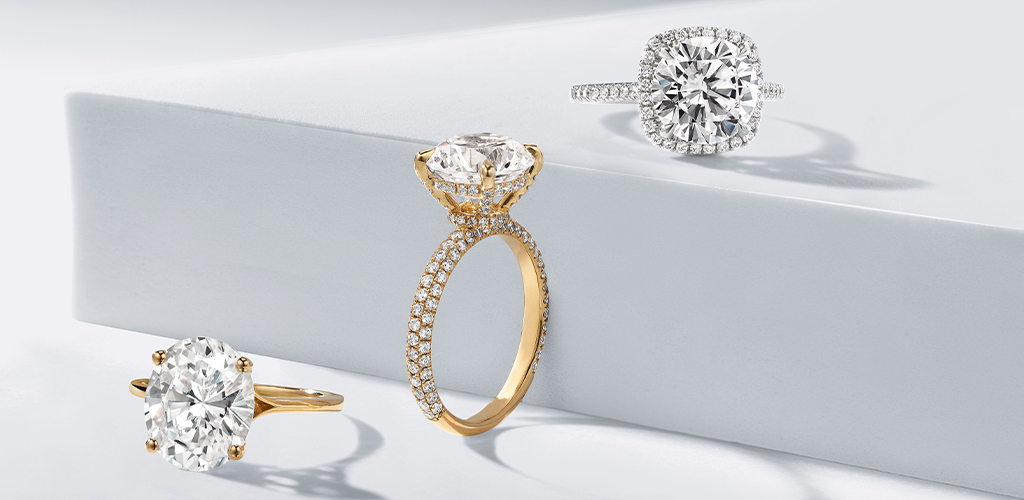
Starting off, lab made diamonds are actual diamonds formed inside labs under careful conditions. These gems match natural ones right down to their chemistry, how they feel, and how they shine. Where they come from sets them apart though. Instead of digging deep underground, people build these stones above ground using advanced methods. Because of this setup, buyers get access to clear records about each stone while spending less money. Going this route also tends to be easier on nature compared to traditional mining. Folks often wonder how lab diamonds stack up, so here’s what matters – they’re checked by the very same rules as earth-grown ones. Not just similar, identical: cut guides the sparkle, color shifts from icy white to faint tones, flaws hide inside or stay clear, and size sits on the scale like any other stone. Because every detail lines up exactly, matching one against another feels fair. Decisions come easier when the facts stand level.
Lab Made Diamonds Why They Are Chosen
Laboratory grown stones come with real benefits that make sense day to day. Same shine, same strength – yet cost far less than earth extracted gems. Prices typically run between twenty and forty percent lower for identical specs. Nature takes a hit when buy lab made diamonds; these avoid that damage. Underground digging for diamonds wrecks natural habitats, drains huge volumes of water, consumes heavy power. Instead, lab-made stones sidestep that damage yet deliver equal brilliance. Moral concerns matter too. These synthetic gems come without war funding, avoid worker abuse entirely. Knowing exactly where your stone came from brings quiet assurance.
Lab Grown Diamonds How They Are Made
Folks make lab diamonds two primary ways. One route uses extreme pressure alongside high heat. This mimics how stones form deep underground. Another path relies on gas inside a chamber. The gas breaks down under energy until crystals grow. Each technique builds real diamond atom by atom
- A chunk of carbon transforms deep underground where intense heat meets crushing pressure. These lab-made stones form much like their earth-mined cousins. Instead of waiting millions of years, scientists speed up the process above ground. The result looks identical but took weeks instead. Nature’s recipe gets rewritten with machines doing the work.
- A thin slice of diamond gets built one level at a time when gases release carbon onto it. This method relies on vapor rather than liquid to form the crystal slowly. Each new layer settles from airborne elements guided by heat and pressure. The process takes place inside a sealed space where conditions stay tightly controlled. Growth happens gradually, atom after atom stacking in formation.
Fine stones come out of every technique, ready to wear. Though made by people, their makeup matches mined gems, accepted without question by expert testers.
Selecting a Lab Grown Diamond
When selecting a diamond, consider these factors:
- Fresh off the press, a diamond’s sparkle leans heavily on its cut. A grade of excellent or very good? That’s where the magic hides. Shape plays puppeteer with brightness – don’t overlook it.
- D runs clear as air. Yet stones shift toward warm hints near Z. Pick one that suits how you see it. Cost plays a role too.
- Most people pick eye-clean stones because they suit everyday wear. What you’re really checking is how many tiny marks live inside the stone. A clear look matters more when it sits up close on your hand.
- A stone’s weight sets how big it looks. Bigger means price jumps fast – keep that in mind.
A piece should come with proof from places such as GIA or IGI. When it’s graded by one of these groups, you know what you’re getting is real – no guesswork needed.
smart choices when shopping
You can take some simple steps to get the best value:
- Start by checking what shops charge nearby, then see how web deals stack up. A quick look around might reveal surprises hiding in plain sight.
- Finding out about returns gives a clearer picture later. Warranties might help if things go sideways down the road.
- A different frame might suit the stone’s outline better. Size plays a role in how it fits within the setting. The way light moves through depends on both cut and mount. Matching them well changes how it looks overall.
- A visit to view the stone firsthand helps you notice how light plays across it. Seeing clarity without photos lets your eyes judge what matters. Up close, reflections reveal details pictures miss.
A single carat round stone runs about four thousand five hundred bucks when pulled from the ground, three thousand if made in a lab. Looks nearly identical either way. Hardly anyone spots the gap.
Lab Grown Diamonds in Various Jewelry Types
Starting strong, lab diamonds fit just about anywhere. Rings meant for proposals often hold them, along with earrings, pendants, or wrist chains. Because each stone comes out so similar, pairing several together won’t spike the price much at all. When set into promise rings, their toughness means they stand up to years of wear. Another option? Pairing these gems with shiny platinum or warm gold for something timeless.
Maintaining Your Lab Created Diamond
Looking after it is simple. Try using warm water with a gentle soap every so often to keep the stone clean. Harsh cleaners might harm the metal, so skip those. Though created diamonds stand up just like natural ones, sudden heavy knocks could still be an issue. A check-in with a trusted jeweller now and then helps confirm everything stays tight.
Common Misconceptions
Not everyone gets lab created diamonds right off the bat. Truth is, they’re real through and through. How they come into being sets them apart, nothing else. There’s a belief floating around that these stones lack quality. Yet inside precise settings, each diamond forms with less room for imperfections. Often their clearness and hue match up – sometimes even outdo – earth mined versions costing just as much.
Lab Grown Diamond Retail Sources
Buying these items is possible through trusted websites or at actual shops. Because some online vendors show clear photos, include official papers, plus explain how returns work, it feels easier to know what you are getting. Seeing the gem face to face happens only when visiting a store, where staff answer your thoughts on the spot. Either way turns out well once you check whether the seller can be trusted.
What to ask the seller
- Finding out if a third-party lab has checked the diamond – could matter more than it seems.
- How do returns or exchanges work?
- Was the diamond made by people or found in nature?
- Does protection cover adjustments or gemstones? Warranties – do they include settings or stones? What about guarantees for modifications or jewels? Coverage: does it extend to mounts or gems? Any promise of support for changes or precious stones?
Final Considerations
Picking lab grown diamonds makes sense when cost, values, and clarity matter most. Since the 4 Cs guide what matters, going with a trusted seller plus regular care helps everything hold up well. They shine like mined stones but skip the harm linked to digging deep underground. Knowing where they come from gives peace without needing to explain anything to anyone. What you wear reflects choices that balance mind and eye.
FAQ
Are lab created diamonds real diamonds?
Built in labs, these stones match mined ones in every chemical and physical way. What sets them apart? A setting free of earth’s crust – grown under careful human conditions instead.
Lab diamonds usually come with a lower price tag compared to mined ones.
Fine. Usually cost twenty to forty percent less when comparing equal size and quality – lab grown ones, that is.
Lab diamonds – can they get reused or moved up a level?
Fine. Resetting them works fine, even resizing fits the task. Combining with other gems? That also lines up neatly – just how it goes with real diamonds.