by
by 
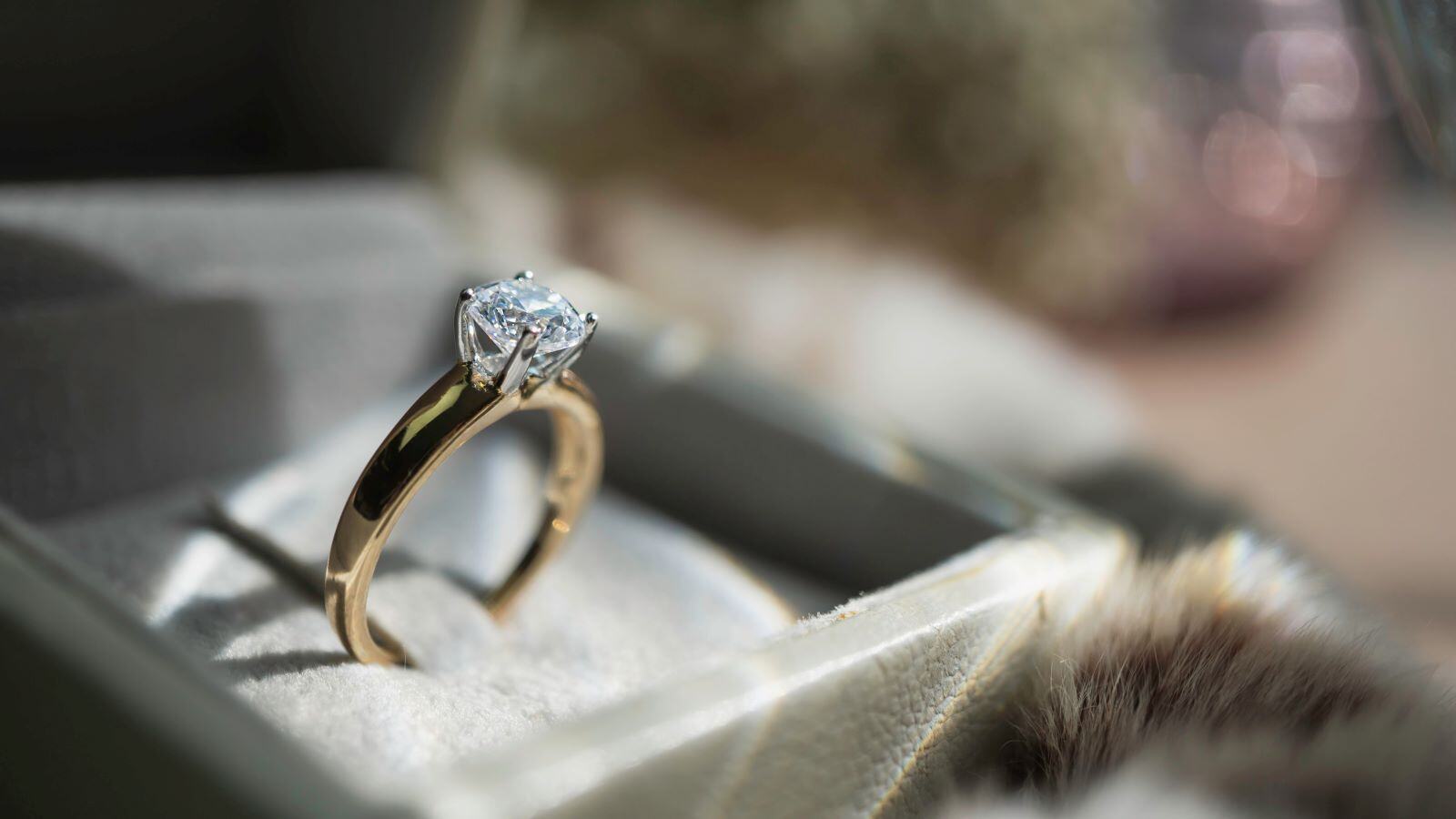
Rose gold has a warmth that changes the character of an engagement ring before the diamond even enters the picture. Its soft pink tone can make a classic solitaire feel less conventional, give vintage-inspired designs extra depth, and create a subtle contrast with a bright diamond.
For shoppers researching rose gold engagement rings in Sydney, the most useful question is not simply whether the metal looks attractive. The better questions concern how the colour works with different diamond grades, which settings suit the alloy, how rose gold wears over time, and whether its distinctive appearance fits the wearer’s long-term style.
Understanding those details makes it easier to choose a ring that still feels right well beyond the proposal.
What Gives Rose Gold Its Distinctive Colour?
Rose gold is a gold alloy. Pure gold is naturally yellow and relatively soft, so it is combined with other metals to improve strength and alter its appearance. Copper contributes the characteristic pink or reddish tone associated with rose gold.
The precise appearance can vary between pieces. Some rose gold looks softly blush-toned, while other alloys appear warmer or slightly more coppery. That variation means two rings described using the same metal name may not look identical in person.
This is particularly relevant when matching an engagement ring with a future wedding band. Buyers who want the two rings to appear closely coordinated should consider metal colour alongside width, profile and setting height.
Why Rose Gold Works So Well With Diamond Engagement Rings
Rose gold creates visible contrast around a colourless or near-colourless diamond. That contrast can help define the centre stone without relying on an elaborate setting.
It also gives buyers considerable design flexibility. A simple round solitaire can look warmer and less formal in rose gold, while oval, pear and cushion-shaped diamonds often work naturally with its softer visual character.
Rose gold can also suit:
- solitaire engagement rings with clean bands
- delicate pavé designs
- halo settings
- vintage-inspired detailing
- three-stone rings
- understated modern settings
The metal does not determine whether a design is modern or traditional. The overall result depends more on the diamond shape, band width, setting architecture and decorative details.
Does Diamond Colour Matter With Rose Gold?
Yes, but the relationship is more flexible than many buyers expect.
A diamond’s colour grade describes the degree of visible body colour assessed under controlled grading conditions. In an engagement ring, however, the surrounding metal also influences how the stone is perceived.
Rose gold naturally introduces warm tones around the diamond. Some buyers deliberately pair it with diamonds that have a little warmth because the transition between metal and stone can feel harmonious. Others prefer greater colour contrast and choose a visually whiter diamond.
Neither approach is automatically better.
For buyers considering rose gold engagement rings Sydney, comparing the diamond and metal together rather than evaluating the grading report in isolation can provide a more realistic idea of the finished ring’s appearance.
An interesting alternative is a two-tone design. Rose gold can be used for the band while white metal is used around the centre diamond. This can preserve the warmth of the ring while creating a more neutral visual border immediately around the stone.
Which Diamond Shapes Suit Rose Gold?
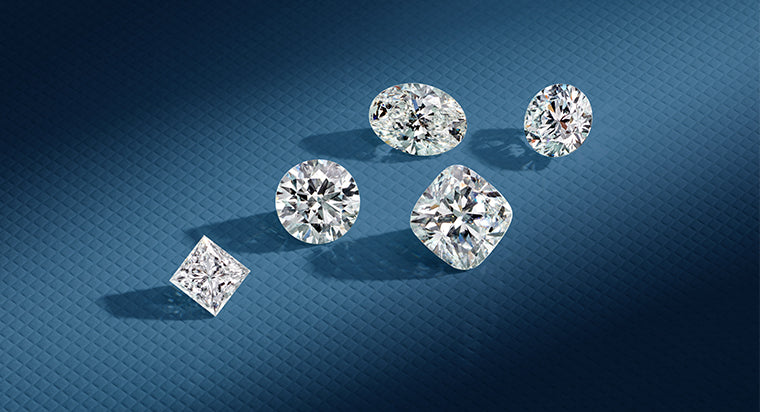
Most established diamond shapes work well with rose gold, but each creates a different visual effect.
Round Brilliant
Round diamonds provide strong visual contrast against warm metal and work particularly well for buyers who want traditional proportions without an entirely traditional-looking ring.
Oval
An oval diamond can give the ring an elongated appearance across the finger. Rose gold softens the geometry of the shape, making the combination popular for designs that sit between classic and contemporary.
Cushion
Cushion diamonds have rounded corners and a softer outline than square princess cuts. Their shape naturally complements the warmth of rose gold and can work particularly well in vintage-influenced designs.
Emerald Cut
The straight lines and broad facets of an emerald-cut diamond create a noticeably different effect. Pairing its structured geometry with rose gold can produce an interesting contrast between modern lines and warm metal.
There is no universal best shape. Buyers should pay attention to actual dimensions and overall face-up appearance rather than assuming that carat weight alone determines how substantial a diamond will look.
Lab-Grown Diamonds and Rose Gold Settings
Lab-grown diamonds can be used in rose gold engagement rings in the same types of settings commonly used for mined diamonds.
A laboratory-grown diamond has the same fundamental crystal material as a mined diamond, although the two have different origins. Quality evaluation therefore still involves familiar characteristics such as cut, colour, clarity and carat weight.
For many shoppers, cut deserves lab grown diamonds attention because it strongly influences how effectively a faceted diamond handles light. Carat weight, meanwhile, is a measurement of weight rather than a direct measurement of visible size.
Two diamonds of the same carat weight can therefore appear different in size depending on their shape, proportions and dimensions.
A grading report from a recognised independent laboratory can also help buyers verify the characteristics of a diamond rather than relying solely on a retailer’s description.
Rose Gold vs White Gold for an Engagement Ring
The most obvious difference is visual, but maintenance and styling preferences matter as well.
| Consideration | Rose Gold | White Gold |
|---|---|---|
| Overall appearance | Warm pink or blush tone | Bright, neutral appearance |
| Diamond contrast | Creates warm contrast | Creates a cooler, more uniform look |
| Design character | Often romantic or vintage-leaning | Often crisp and contemporary |
| Pairing with jewellery | Works well with warm metals | Coordinates easily with white-toned jewellery |
| Visual maintenance | Colour comes from the alloy itself | Appearance can depend on the specific alloy and surface finish |
Buyers who already wear mostly white-toned jewellery may find white gold easier to coordinate. Those who enjoy warmer accessories, mixed metals or more distinctive bridal jewellery may prefer rose gold.
The choice is primarily about personal style rather than a universal quality difference.
What Should Sydney Buyers Check Before Ordering?
An engagement ring should be evaluated as a complete piece rather than as a diamond and setting considered separately.
Start with the centre stone. Look at its shape, measurements, cut characteristics, colour, clarity and grading documentation. Then assess whether the setting protects the stone appropriately while producing the appearance you want.
Also consider everyday practicality. A high-profile setting may create more visual presence but can catch more easily during daily activities. Intricate pavé or vintage-style detailing may offer extra character but generally requires more attention during cleaning than a plain solitaire band.
Ring proportions matter as well. A very narrow band can make the centre stone appear larger by comparison, while a broader band changes the overall balance.
For Sydney shoppers comparing designs through specialists such as novitadiamonds.com, viewing the diamond, setting and metal as one design decision is more useful than choosing each characteristic solely by its grading label.
Rose Gold Should Still Suit the Wearer Years Later
Engagement-ring trends change, but the ring itself is intended for long-term wear. That makes personal preference more useful than choosing a design simply because it is currently fashionable.
Think about the jewellery the wearer already chooses voluntarily. Someone who regularly wears warm metals, delicate pieces or vintage-inspired jewellery may naturally appreciate rose gold. Someone whose collection is dominated by platinum, white gold or minimal monochrome pieces may prefer a cooler metal.
Future pairing matters too. If a wedding band will sit beside the engagement ring, consider how the profiles, colours and widths will work together. A matching rose gold band creates continuity, while a contrasting metal can make an intentional mixed-metal combination.
The most successful choice is usually the ring in which the diamond shape, setting and rose gold tone support the same visual direction rather than competing for attention.