by
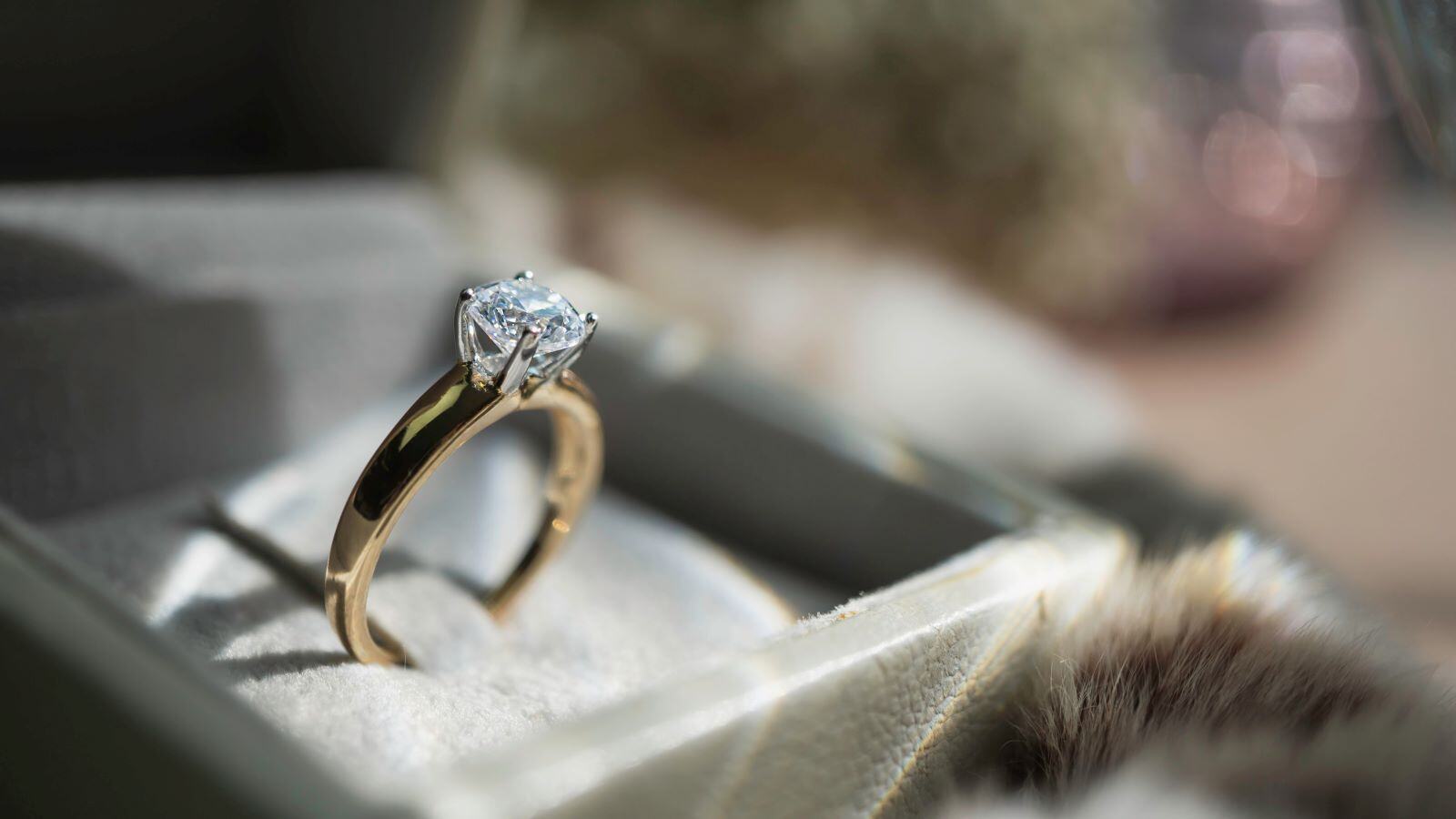
by A diamond ring has long been more than just a piece of jewelry—it is a symbol of love, commitment, and personal style. From the classic solitaire engagement ring to modern, intricate designs, diamonds have captured human fascination for centuries. Yet, in recent years, the way these sparkling gems are sourced has evolved dramatically, giving rise to alternatives that are as stunning as their naturally mined counterparts. Among them, lab grown diamonds are gaining popularity, offering a unique combination of beauty, ethics, and sustainability.
A Brief History of the Diamond Ring
The tradition of giving diamond rings dates back to the 15th century, with Archduke Maximilian of Austria often credited with popularizing diamond engagement rings when he gave one to Mary of Burgundy in 1477. Since then, diamonds have become the go-to choice for engagement and wedding rings, symbolizing enduring love due to their unmatched hardness and brilliance.
While natural diamonds continue to hold a sense of prestige, their scarcity and the ethical concerns associated with mining have prompted both jewelers and consumers to seek alternative sources. This shift has paved the way for lab grown diamonds, which are chemically and physically identical to mined diamonds but are produced in controlled laboratory environments.
What Are Lab Grown Diamonds?
Lab grown diamonds are created using advanced technological processes that replicate the natural formation of diamonds deep within the Earth. Two primary methods dominate the market: High Pressure High Temperature (HPHT) and Chemical Vapor Deposition (CVD). Both techniques yield diamonds with the same optical, chemical, and physical properties as their naturally occurring counterparts.
One of the biggest draws of lab grown diamonds is that they allow consumers to purchase large, flawless stones without the same financial or environmental cost associated with mined diamonds. They also appeal to those who value transparency in sourcing, as every stone can be traced back to the laboratory where it was made, eliminating concerns about conflict diamonds.
Choosing the Perfect Diamond Ring
Selecting a diamond ring involves more than just picking the largest or shiniest stone. Experts often recommend considering the “Four Cs”: cut, color, clarity, and carat weight. The cut determines how the diamond reflects light, creating its signature sparkle. Color ranges from completely colorless to subtle yellow or brown tones, while clarity measures the presence of internal or surface imperfections. Carat weight refers to the size of the stone but should be balanced with quality for optimal beauty.
Lab grown diamonds are available in a wide range of cuts and sizes, making it easier for buyers to find the perfect match for their style and budget. Whether one desires a traditional round brilliant cut, a modern emerald cut, or a romantic pear-shaped design, lab grown options provide flexibility without compromising on quality.
Sustainability and Ethical Considerations
The environmental impact of traditional diamond mining has long been a concern. Mining can lead to habitat destruction, water pollution, and carbon emissions. Moreover, the term “conflict diamond” has drawn attention to the human cost of some diamond production, with profits funding armed conflict in certain regions.
Lab grown diamonds present a more sustainable and ethical alternative. Producing diamonds in a laboratory setting requires significantly less energy and has a far smaller ecological footprint compared to large-scale mining operations. Additionally, these diamonds are guaranteed to be conflict-free, giving consumers peace of mind alongside the glittering allure of their new jewelry.
Popular Styles and Modern Trends
Diamond rings today are not just limited to engagement or wedding purposes—they have become statement pieces, gifts for milestones, or even collectible items. Halo settings, three-stone designs, and vintage-inspired motifs are trending, with many jewelers offering customizations to suit individual tastes.
The rise of lab grown diamonds has also influenced design trends. Because these stones are more accessible, jewelers can experiment with larger or more intricate designs without pricing customers out of the market. This democratization of luxury has helped redefine what is possible in contemporary ring design, appealing to a younger generation seeking both beauty and sustainability.
Conclusion
A diamond ring remains one of the most cherished symbols of love, achievement, and personal style. While naturally mined diamonds have a storied history and timeless appeal, the emergence of lab grown diamonds offers a compelling alternative for the modern buyer. With their identical brilliance, ethical sourcing, and smaller environmental footprint, lab grown stones are redefining the way people approach this classic piece of jewelry.
Whether you’re selecting a ring for an engagement, celebrating an anniversary, or simply indulging in a timeless accessory, the diamond ring continues to enchant and inspire. By considering both tradition and innovation, today’s consumers can make choices that reflect their values without compromising on elegance or sparkle.