by
by A gold pendant can be difficult to value by appearance alone. Two pieces that look almost identical may receive very different offers because their gold purity, weight, construction and stone content are not the same.
This is especially important with older jewellery. A pendant may have been bought decades ago, received as a gift or inherited without its original receipt or packaging. The price originally paid can provide some background, but it does not necessarily indicate what the piece is worth today.
Understanding what gold pendant buyers actually examine gives you a better basis for assessing an offer and asking the right questions before selling.
Start With the Gold Content
One of the first details to check is the pendant’s gold purity. Australian jewellery commonly uses carat markings such as 9ct, 14ct and 18ct, while some pieces may carry numerical fineness marks.
For example:
- 375 generally indicates 9ct gold
- 585 generally indicates 14ct gold
- 750 generally indicates 18ct gold
A higher carat means a greater proportion of pure gold in the alloy. However, purity should not be considered on its own. Weight also matters.
A heavier 9ct pendant may contain more actual gold than a very small 18ct piece. Buyers therefore normally need both the purity and weight before they can assess the metal content properly.
Hallmarks are useful clues, but they are not always sufficient on their own. Marks can become worn, and older or imported jewellery may use different stamps. A professional assessment may include additional testing where necessary.
Why Weight Can Be More Complicated Than It Looks
Putting a pendant on a scale gives its total weight, not necessarily the weight of its gold.
A pendant might contain diamonds, coloured stones, enamel, non-gold fittings or other materials. Large stones can account for a noticeable part of the overall weight.
Hollow jewellery creates another potential source of confusion. A large pendant may appear substantial while containing considerably less metal than a smaller solid piece.
This is why comparing two pendants based solely on their physical size can be misleading.
If you are comparing offers from different gold buyers, ask whether the quoted value is based on total jewellery weight or the estimated weight of the gold itself.
Do Gemstones Add Value?
Sometimes, but not automatically.
A pendant containing a diamond or another gemstone cannot simply be valued by weighing the complete item and applying a gold rate. The stone may need to be considered separately.
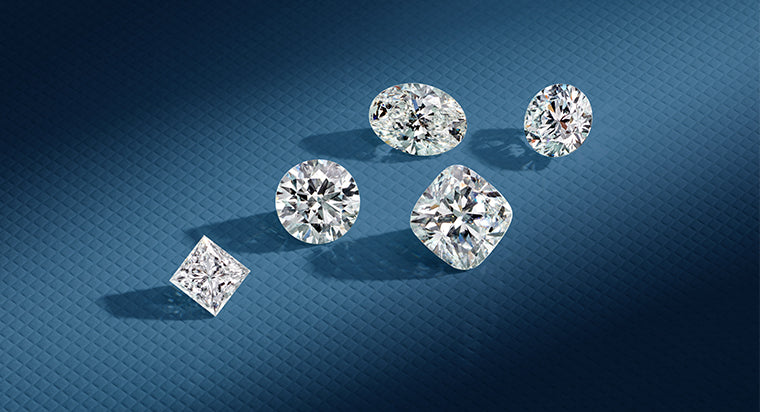
For diamonds, factors such as carat weight, cut, colour and clarity can affect value. Certification may also provide useful information when a significant diamond is involved, although the presence of a certificate does not by itself determine what a buyer will offer.
Small accent stones are different. Their resale contribution may be limited, particularly when removing, sorting or resetting them would require additional work.
Coloured stones can be even harder to assess without knowing their identity, treatment and quality. A large stone is not automatically a valuable stone.
If your pendant contains a gemstone you believe is significant, ask whether it has been included separately in the valuation.
Jewellery Value and Gold Value Are Not Always the Same
There are several ways a pendant can have value.
One is its underlying precious-metal content. Another is its potential to be resold as a finished piece of jewellery.
A plain or damaged pendant may be assessed primarily for its recoverable gold. A well-made piece in good condition, particularly one with recognised craftsmanship or desirable design characteristics, might warrant consideration beyond metal content.
Branding can occasionally matter as well, but a brand name should not automatically be assumed to make every piece significantly more valuable. Authenticity, condition, model, demand and resale potential can all influence whether a branded pendant attracts additional interest.
This distinction is useful when seeking an appraisal. Ask whether the pendant is being assessed for its metal content, resale potential, or both.
Condition Matters Differently Depending on the Buyer
Scratches, dents and broken fittings do not necessarily destroy the value of a gold pendant.
If the piece is primarily being purchased for its gold content, ordinary cosmetic wear may have relatively little effect on the underlying metal value. Missing gold, extensive repairs or replacement components can matter more because they affect the actual composition or weight.
Condition becomes more significant when the pendant has potential for resale as jewellery. A damaged bail, missing gemstone or heavily worn surface may require repair before the piece can be sold again.
Avoid paying for repairs or aggressive polishing simply because you plan to sell. The cost may not be recovered through a higher offer, and polishing can remove a small amount of metal.
Keep the Pendant and Chain Separate During Comparison
A pendant sold with a gold chain can make the transaction seem straightforward, but the two pieces may have different specifications.
The pendant could be 18ct while the chain is 9ct. One component could even be gold plated rather than solid gold.
Check each piece for its own hallmark and ask for them to be assessed separately if their purity differs. This gives you a clearer picture of where the total offer comes from.
The same principle applies when selling several pieces together. Rings, bracelets, chains and pendants with different carat levels should not simply be treated as one identical batch without considering their individual gold content.
What to Ask Before Accepting an Offer
A transparent valuation should leave you with a reasonable understanding of how the figure was reached.
Useful questions include how the gold purity was established, what weight was used in the calculation, whether stones were excluded from the gold weight, and whether the pendant was assessed only for metal or also for resale.
You can also ask whether there are any deductions or fees that affect the final amount paid.
These questions are particularly useful when comparing buyers because two businesses may assess the same pendant differently. The highest-looking initial figure is less meaningful if you do not understand what has been included in it.
Give Yourself Time to Understand the Valuation
Selling gold does not need to be rushed simply because a buyer has provided an immediate offer.
Check the hallmark beforehand if you can, keep any relevant documentation with the jewellery and understand whether valuable stones form part of the assessment. For a particularly valuable or unusual pendant, an independent jewellery appraisal may also provide additional information before you decide to sell.
The main aim is not to guess the value from appearance or the original purchase price. It is to understand what the pendant contains and how the buyer has arrived at the offer.
A clear explanation of purity, weight, gemstones and resale considerations makes it much easier to compare valuations on meaningful terms.