by
by 
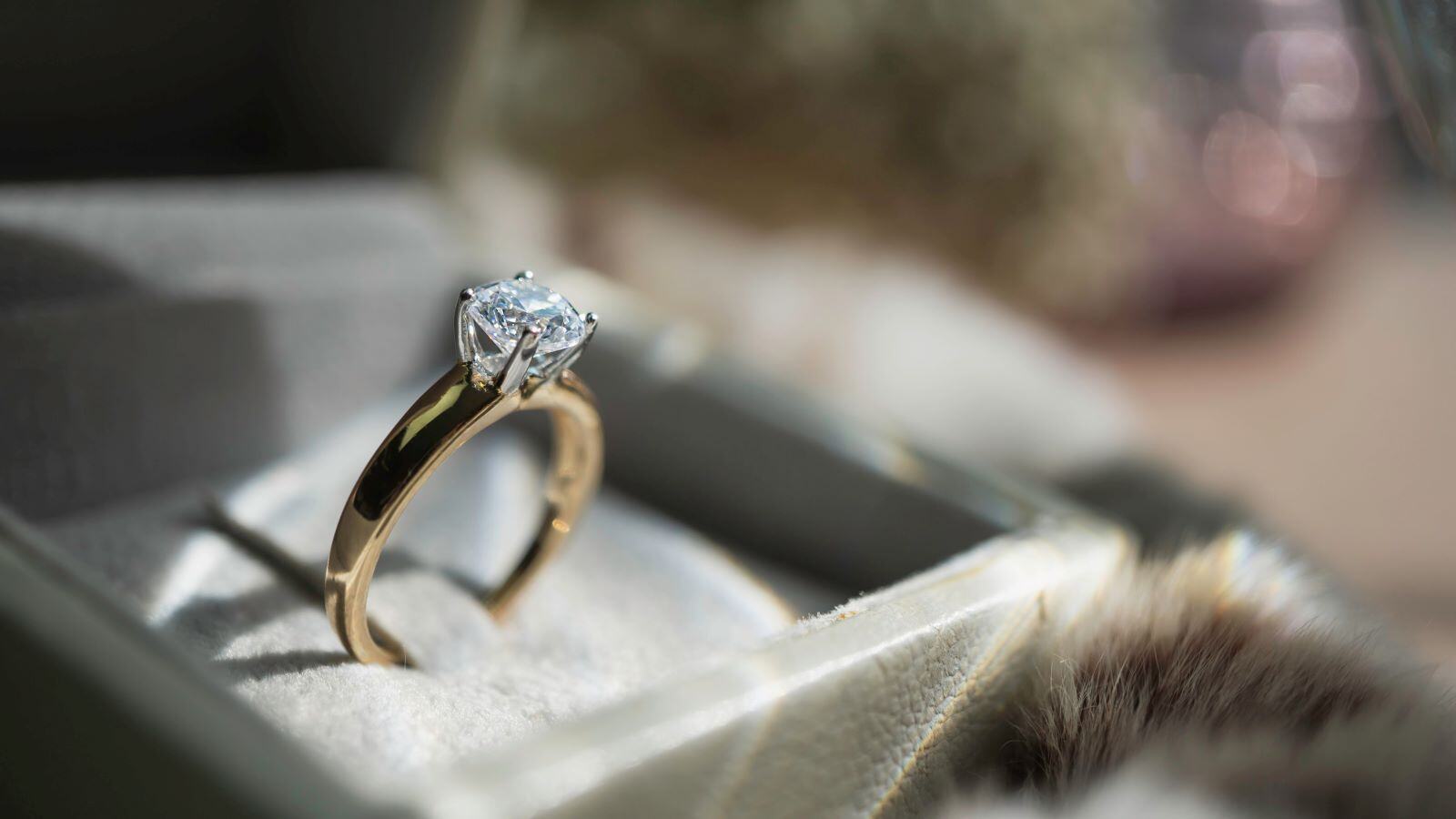
Real diamonds made in labs come from carefully managed settings. These stones match mined diamonds in how they feel and what they’re made of. Because they grow fast under pressure or through gas reactions, they appear in weeks instead of eons. You receive a gem just like earth-formed ones – no long waits needed. Weeks replace ages when crafting these crystals. Every piece fits rings, necklaces, or earrings perfectly. Experts check them the same way they do traditional gems. Identical standards apply when rating their quality.
Differences Between Lab Grown and Natural Diamonds
Starting off, lab created and mined diamonds aren’t the same when it comes to where they come from. Price tags tend to lean lower for those made in labs. Because of how they’re produced, man-made stones usually leave a lighter mark on nature. A closer look shows these points stand out more than others. For most buyers, knowing what shapes each kind matters just as much as how they compare
- Deep beneath the surface, natural diamonds take shape across vast stretches of time. In contrast, scientists craft lab diamonds inside controlled environments within weeks.
- A lab diamond usually costs less – between twenty and forty percent below a natural one that looks just like it.
- From an ecological standpoint, lab-grown stones take up far less space and mess with nature less since they skip heavy digging. Their creation leans on controlled settings rather than tearing into soil layers.
- Faster depreciation might hit lab diamonds over time. Natural stones often keep their worth longer down the road.
- Look the same at first glance. To spot differences, specialists rely on tools made for the job.
A single carat lab made stone might run close to four thousand dollars, whereas its earth mined counterpart could hit six grand. One such created gem tends to be priced lower than a naturally formed one of alike size.
Lab Grown Diamonds How They Are Made
A different way to make diamonds in a lab involves high pressure. One approach uses heat along with pressure to form the stones. Another method relies on gas under specific conditions
- A diamond takes shape under intense heat when pressure builds deep inside the planet. Carbon shifts slowly, forced by extreme forces usually found far below the surface.
- A single diamond forms slowly inside a sealed space where carbon gas settles into place. One thin level after another stacks up over time through steady buildup. Each stage locks in when particles link under low pressure.
Lab-grown stones match mined diamonds right down to their atomic structure. Picking one comes down to how big it is, what shade it shows, then how much it costs.
How Diamonds Are Picked Based on What Matters
When deciding between lab grown vs natural diamonds, consider these factors:
- For less money, lab diamonds mean a bigger rock or better clarity. Instead of paying more, you gain options without losing quality. A smaller cost opens doors to what once seemed out of reach. Size climbs up when cash stays flat. Fancy cuts become possible even on tight plans. Value shifts in your favor, quietly changing the game.
- Selling down the road? Natural diamonds often hold their worth more than alternatives. A choice today might mean difference later on when it comes time to pass it forward. Worth thinking about if keeping options open matters.
- Mining’s heavy toll on nature? Lab diamonds sidestep that mess. Conflicts tied to digging deep underground – skipped entirely here.
- Looks match perfectly. Sparkle stays just as bright either way. Clarity does not take a hit. Same visual result, no trade-offs.
A two-carat engagement ring might fit your spending limit if you pick a lab made stone. That choice could free up room for better color or purity. Choosing synthetic doesn’t mean settling – it shifts what you prioritize. Cost stays lower while quality climbs in certain areas. Some buyers find they get more visual appeal per dollar this way. Appearance often surprises people who expect less brilliance. What matters most is how it looks to you, not where it came from.
Maintaining Your Lab Grown Diamond
Caring for a lab diamond is the same as a natural diamond. Simple steps include:
- Rinse now and then using lukewarm water along with gentle soap or a liquid made for cleaning jewelry.
- Keep it apart so tougher stones do not leave marks.
- From time to time, take a look at how things are set – make sure the stone stays put in rings or neckpieces.
A little care now keeps grit away, so the stone shines just like it did years ago. Over time, dust and oils fade its glow unless cleaned often. Without attention, dullness creeps in without warning. A quick wipe every few weeks makes a difference most forget. Long-term sparkle hides in small habits done regularly.
Common Misconceptions
Not everyone realizes how lab created diamonds differ from fake ones. The key difference? They’re real, just made differently
- Sparkle just like mined stones, lab made diamonds share identical toughness and makeup. These gems form in controlled spaces yet mirror nature’s version exactly. Hardness matches perfectly because atoms arrange themselves the same way. Created without earth excavation, they still dazzle under light similarly.
- Fake stones such as cubic zirconia or moissanite might seem alike at a glance – yet they aren’t real diamonds. Still, people often mistake them because of how they catch the light. Their sparkle tricks the eye even though the material underneath is completely different.
- A lab diamond might get its certificate through trusted gemologists, similar to mined stones. When assessed properly, these created gems receive grades matching earth-mined ones. Some top-tier facilities treat them identically during evaluation processes. Their quality marks come from careful scrutiny under standard protocols.
What Buyers Should Know
Avoid guesswork by checking certification first. Reports from trusted sources – say, GIA or IGI – cover lab made and mined stones alike.
- A piece of paper showing how it was shaped, its hue, purity level, plus exact size by weight should come with it.
- Look at different sellers to spot where you get more for what you spend. Sometimes one place charges less but still fits what you want.
- Consider insurance for higher-value purchases.
A single trait can change everything – price shifts when origin differs, even if stones look the same. One grows in a lab, the other forms underground, yet both shine alike at first glance. Details like these quietly shape value, whether noticed or not. Choice becomes clearer only after seeing what lies beneath the surface.
Future Trends
Diamonds made in labs now fit right into today’s jewelry scene. Because they’re easier on the planet and lighter on price, plenty of buyers go that route. Before long, these stones might just dominate engagement rings – same sparkle, less strain. Choices open up when it comes to shape, hue, or how big you want it. Rest easy – the checks they pass match those of mined gems, no difference there.
FAQ
Most folks cannot spot any distinction by sight alone.
They appear exactly alike when looking at them normally. Special tools are needed to see tiny variations in how they form. These man made stones hold up just as well as those from the earth.
Their toughness matches what nature produces underground.
Sure, they’re just as tough as real diamonds. Daily wear won’t leave marks.
Worried about scratches?
Don’t be. Ethics come up often. Lab stones skip the damage linked to digging them up. No harm tied to land or people. That matters, right? If doing good counts, these fit.